


Category: Skill & Requirement
Welcome to “The Designer’s Corner,” where we unravel the mysteries of fashion for beginners!
If you’ve ever wondered about the ins and outs of fashion design but weren’t sure where to start, you’re in the right place.
In this series, we’ll break down common questions about fashion design in simple language, giving you the answers you need to dive into the exciting world of fashion with confidence.
Whether you’re curious about measurements, fabrics, or how fashion trends are born, we’ve got you covered.
Let’s embark on this stylish journey together!
**************
Yes, fashion design does require some math, but it’s usually not super complicated. Here’s how math comes into play:
So, while you don’t need to be a math genius, having a good grasp of basic math concepts will definitely help you in the world of fashion design!
Category: Skill & Requirement
To be a fashion designer, you need a mix of creative and practical skills. Here are some important ones:
Overall, being a fashion designer requires a mix of creativity, technical skills, and business savvy. With practice and dedication, you can develop these skills and create your own unique style!
Category: Skill & Requirement
The daily life of a fashion designer can be exciting and varied! Here’s a simplified overview:
Overall, the daily life of a fashion designer is a mix of creativity, research, and practical work, all aimed at bringing their fashion visions to life!
Category: Skill & Requirement
To be a fashion designer, it helps to have certain personality traits. Here are some important ones:
Overall, being a fashion designer requires a combination of creativity, passion, attention to detail, and the ability to adapt to change. With the right personality traits and hard work, anyone can pursue a career in fashion design!
Category: Skill & Requirement
Certainly! Being 11 years old doesn’t mean you can’t start exploring fashion design. While you might not have the same opportunities and responsibilities as professional designers, there are plenty of things you can do to express your creativity and learn more about fashion:
Remember, fashion design is all about creativity and expression, so don’t be afraid to try new things and have fun with it! While you may not be a professional fashion designer at 11, you can definitely start honing your skills and laying the foundation for your future in fashion.
Category: Fashion Designer JOB & SALARY
A fashion designer is someone who creates clothes and accessories.
They come up with new ideas for clothing styles, draw sketches of their designs, and choose fabrics and colors.
Then, they either sew the clothes themselves or work with others to make them. Fashion designers also keep up with the latest trends and may showcase their designs in fashion shows or sell them in stores.
Overall, their job is to make clothes that people want to wear and feel good in.
Category: Fashion Designer JOB & SALARY
Fashion designers can earn different amounts of money depending on their experience, skills, and where they work. Some designers, especially those who are well-known and have their own successful brands, can earn a lot of money. However, starting out in the fashion industry may not always come with a high salary.
It’s important to gain experience and build a reputation to increase your earning potential over time.
So, while some fashion designers do get paid well, it can vary from person to person.
Category: Fashion Designer JOB & SALARY
Certainly! While some fashion designers can indeed earn six-figure salaries, it’s important to understand that this level of income is typically achieved by those who have gained significant experience, developed exceptional skills, and established successful careers in the industry.
Fashion designers who have their own well-known brands, work for prestigious fashion houses, or have a large following and clientele base can command higher salaries. Additionally, designers who specialize in high-end couture or luxury fashion often earn more than those in other segments of the industry.
However, it’s essential to recognize that not all fashion designers make six figures. Many designers, especially those who are just starting out or working in less lucrative areas of the industry, may earn lower salaries.
Overall, while six-figure incomes are possible for fashion designers, they are not guaranteed and often require years of hard work, dedication, and success in the competitive world of fashion.
More to read…….. under development
| 09- What job makes the most money? |
| 10-What is the highest salary of fashion designer? |
| 11- Is it fun to be a fashion designer? |
| 12-How do I know if fashion design is for me? |
| 13- Is fashion design stressful? |
| 14- Is fashion and design a good career? |
| 15- Is fashion designer a hard career? |
| 16- How many years will it take to become a fashion designer? |
| 17- Is fashion easy to get into? |
| 18- Are fashion degrees worth it? |
| 19- Do fashion designers have a future? |
| 20- Can you make a living as a fashion designer? |
| 21- Do fashion majors make money? |
| 22- Do fashion majors make a lot of money? |
| 23- What major is best for fashion? |
| 24- How can I start to be a fashion designer? |
| 25- Can I be a fashion designer if I can’t draw? |
| 26- Can I be a self-taught fashion designer? |
| 27- Do fashion designers need to go to college? |
| 28- Which age is best for fashion designing? |
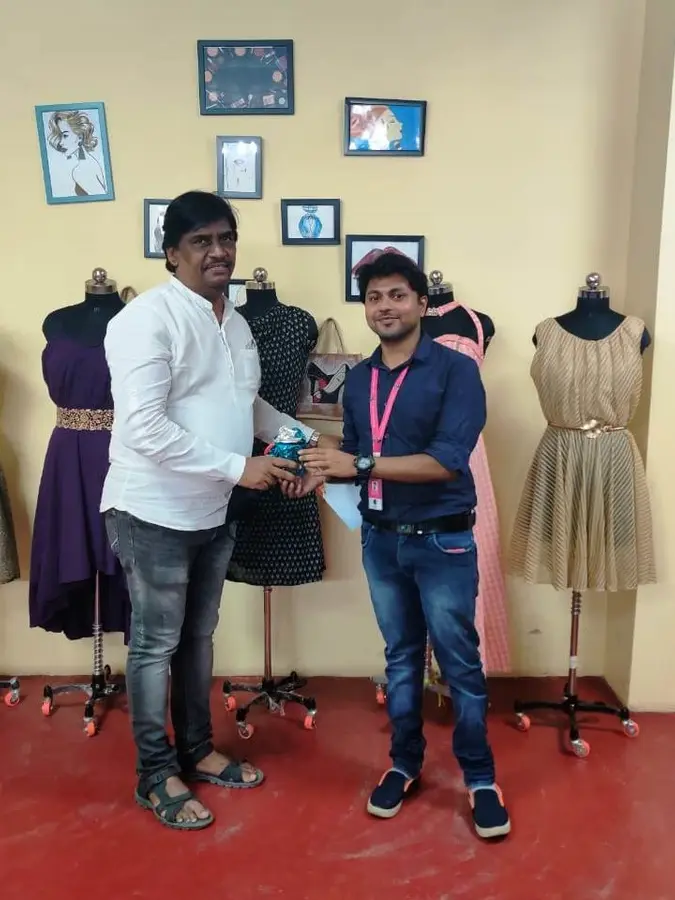
Hello everyone,
I’m Vinod Sarvasiddi, a passionate fashion designer who honed my skills at the JD Institute of Fashion Design, Vijayawada.
Under the expert guidance of our esteemed faculty and creative head, Mrs. Kavya, I immersed myself in the world of fashion, learning and growing every step of the way.
Mrs. Kavya’s dedication and exceptional teaching have been instrumental in shaping my journey as a designer.
Today, I stand as a testament to the quality education and invaluable mentorship provided by JD Institute of Fashion Design, Vijayawada.
As I reflect on my time there, I am filled with gratitude for the knowledge and experiences that have paved the way for my career in fashion.
To all the current and future students embarking on their own fashion design courses, I extend my heartfelt best wishes.
May your journey be filled with creativity, passion, and boundless opportunities.
yagnapala.com
+91-99 4891 6667
582, 9th Main Road, Cofee Board layoutt, Kempapura, Babgaluru-24.